Laser Photo Facial IPL in New York, NY: A Guide to Sun Damage, Brown Spots, and Skin Redness
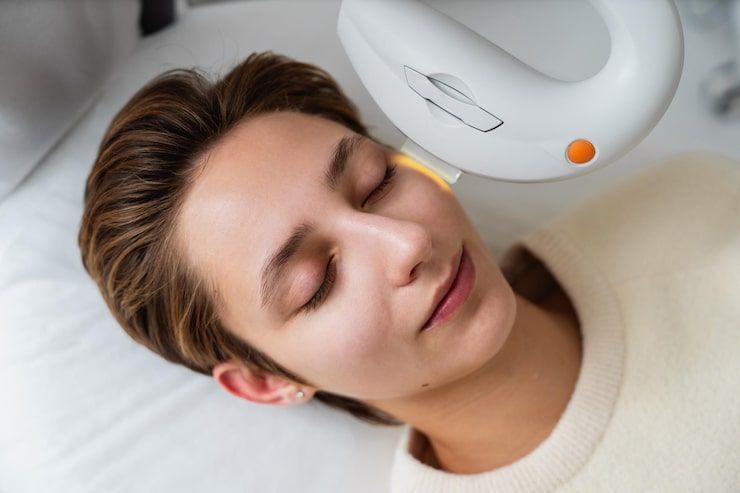
Uneven skin tone, sun spots, and visible facial redness can make it difficult to achieve a complexion that looks consistent and refreshed. For people exploring professional skin treatments in New York, NY, Laser Photo Facial IPL is a search term associated with intense pulsed light treatments designed to improve the appearance of selected pigmentation concerns and visible redness. Understanding how the treatment works, what it may address, and which factors affect suitability can help you make an informed decision.
An IPL photofacial uses controlled pulses of broad-spectrum light to target specific color-related concerns in the skin. Depending on the device, treatment settings, and individual skin characteristics, it may help reduce the appearance of certain sun-related brown spots and small visible blood vessels. However, results vary, and IPL is not suitable for every skin type or every pigmentation concern.
For New York residents balancing busy schedules with personal skincare goals, learning about treatment preparation, recovery, and safety is an important first step. This guide explains the potential benefits of IPL, considerations for different skin tones, and questions to discuss before treatment.
What Is Laser Photo Facial IPL?
Laser Photo Facial IPL is a commonly used search phrase for light-based facial rejuvenation. Although the terms laser and IPL are sometimes used together in beauty and skincare searches, they describe different technologies. A laser generally uses a specific wavelength of light, while IPL delivers multiple wavelengths in controlled pulses.
During an IPL photofacial, selected wavelengths interact with skin pigments or blood-related targets. The resulting heat can help address certain visible discoloration and redness while leaving much of the surrounding skin unaffected when treatment is appropriately selected and performed.
IPL may be considered for concerns such as:
- Sun-related brown spots and freckles
- Uneven skin tone caused by selected pigmentation concerns
- Small visible facial blood vessels
- Diffuse redness in suitable candidates
- Some visible signs of sun-related skin aging
A consultation is important because similar-looking skin concerns can have different causes. A qualified skin professional can help determine whether IPL is appropriate or whether another approach would be more suitable.
Potential Benefits of an IPL Photofacial
The main goal of an IPL photofacial is to improve selected color irregularities rather than completely change the skin's natural appearance. The most appropriate treatment plan depends on the concern being addressed, the person's skin tone, and their medical and skincare history.
Sun Damage Removal
Years of sun exposure can contribute to visible brown spots, freckles, and uneven pigmentation. IPL may help improve some forms of superficial, sun-related discoloration by targeting pigment within the skin.
Although the phrase Sun Damage Removal is often used when researching cosmetic treatments, IPL does not reverse every effect of sun exposure. It cannot guarantee complete removal of spots, and it does not replace routine sun protection or medical evaluation of suspicious skin changes.
Spots that are new, changing, bleeding, or otherwise unusual should be assessed by an appropriate medical professional before cosmetic treatment is considered.
Brown Spots Treatment
Brown spots can develop for several reasons, including sun exposure, age-related pigmentation, and hormonal influences. IPL may be an option for certain superficial pigment spots, but not every dark mark responds in the same way.
A professional assessment helps distinguish potentially suitable sun spots from conditions that may require a different treatment. For example, melasma can behave differently from ordinary sun spots and may worsen with some heat-based procedures.
Realistic expectations are essential. Some people notice improvement after treatment, while others need a different approach or experience limited changes.
Broken Capillaries Reduction
Small visible blood vessels around the nose and cheeks can contribute to persistent facial redness. Depending on their size, depth, and cause, selected vascular concerns may respond to light-based treatment.
Broken Capillaries Reduction is therefore another reason people investigate IPL. However, not all visible vessels are suitable for the same device or settings. A skin professional should assess the area and explain the likely benefits, limitations, and potential risks.
If redness is associated with an underlying skin condition, treating the visible vessels alone may not address the cause.
Is IPL for Fair Skin the Right Option?
IPL For Fair Skin is a relevant search phrase because IPL has traditionally been used for certain pigmentation and redness concerns in lighter skin tones. However, fair skin alone does not establish whether someone is a suitable candidate.
IPL devices and treatment settings vary. The amount of pigment in the skin, recent tanning, the condition being treated, and the device's capabilities all influence the risk of unwanted reactions.
People with darker skin tones may have a higher risk of burns or temporary or lasting changes in pigmentation with some IPL settings. A qualified professional should assess skin tone carefully and determine whether IPL or an alternative treatment offers a more appropriate balance of benefits and risks.
Before proceeding, discuss:
- Your natural skin tone and any recent tanning
- The specific spots or areas of redness you want assessed
- Current skincare products and medications
- Previous reactions to light-based or cosmetic treatments
- Any history of pigmentation problems or skin conditions
The objective should be a suitable, individualized treatment plan—not choosing a procedure simply because it is popular.
What to Expect Before, During, and After Treatment
Knowing what happens at each stage can help you prepare and understand the importance of aftercare.
Before Your Appointment
A consultation should cover your skin concerns, medical history, medications, recent sun exposure, and expectations. Follow the treating professional's instructions about sun exposure and skincare products.
Tell the provider if you have recently tanned, experienced sunburn, used products that irritate your skin, or taken medication that can increase light sensitivity. Do not discontinue prescribed medication without advice from the prescribing professional.
During an IPL Photofacial
The treatment area is prepared according to the provider's protocol, and appropriate protective eyewear is used. The device delivers controlled pulses of light to the selected area.
People may experience warmth, brief stinging, or a snapping sensation during treatment. The experience varies according to the device, settings, treatment area, and individual sensitivity.
Ask the provider how long the appointment is expected to take and what sensations or reactions are normal for your particular treatment.
After Treatment
Temporary redness, mild swelling, sensitivity, or changes in the appearance of treated spots may occur. Some people return to normal activities quickly, while others need time for their skin to settle.
Follow the aftercare instructions provided for your treatment. These may include avoiding excessive sun exposure, using suitable gentle skincare, and applying broad-spectrum sunscreen as directed.
Contact the treating professional if you develop unexpected or worsening symptoms. Significant pain, blistering, or other concerning reactions should receive prompt medical attention.
How Many IPL Sessions Are Needed?
There is no single session schedule that works for everyone. The number of treatments depends on the type and extent of discoloration, the treatment device, individual skin response, and the desired outcome.
Some concerns may show improvement after an initial session, while others may require a series of treatments. Results also develop over time rather than appearing instantly in every case.
During a consultation, ask what degree of improvement is realistic, how sessions would be spaced, whether maintenance may be needed, and what the total treatment plan involves. A reputable provider should explain limitations rather than promise a particular result.
Choosing an IPL Provider in New York, NY
New York City offers many skincare options, but choosing a treatment should involve more than comparing advertisements. Safety, appropriate assessment, and clear communication are important considerations.
Before booking, ask the provider:
Who will assess your skin and perform the procedure?
What experience and qualifications does the treating professional have?
Is the device suitable for your skin tone and specific concern?
What side effects and complications should you understand?
What alternatives are available if IPL is not appropriate?
What preparation, aftercare, and follow-up will be required?
It is also important to understand the difference between cosmetic improvement and medical diagnosis. A photofacial should not be used as a substitute for evaluating suspicious lesions or persistent unexplained skin changes.
For people searching for Laser Photo Facial IPL in New York, NY, a consultation provides an opportunity to discuss their concerns and determine whether the treatment aligns with their needs.
Explore Laser Photo Facial IPL at Selfie House NYC
People researching light-based facial treatments in Manhattan can contact Laser Photo Facial IPL using the business information provided below to ask about availability, treatment suitability, and consultation arrangements.
Business: Laser Photo Facial IPL
Address: 109 W 38th St, floor 12, suite 20, New York, NY 10018
Phone: 929-224-5146
Website: https://www.selfiehousenyc.com/
Before booking, confirm the treatment options available, the qualifications of the person performing the procedure, and whether your particular skin concern is appropriate for IPL.
Frequently Asked Questions
1. What does a Laser Photo Facial IPL treatment help with?
IPL may improve the appearance of selected sun-related brown spots, freckles, and small visible blood vessels. Results depend on the skin concern, skin tone, device, and treatment settings. A consultation can help determine whether IPL is appropriate.
2. Is an IPL photofacial suitable for fair skin?
IPL is often considered for certain pigmentation and redness concerns in lighter skin. However, suitability depends on more than skin tone. A qualified professional should assess your skin, recent sun exposure, medical history, and treatment goals before recommending a procedure.
3. Can IPL help with sun damage and brown spots?
IPL may reduce the appearance of some superficial, sun-related spots. It does not treat every type of pigmentation, and some conditions can worsen with heat-based procedures. New or changing spots should be medically evaluated before cosmetic treatment.
4. Does IPL reduce broken capillaries and facial redness?
IPL can help improve selected visible blood vessels and redness in suitable candidates. The outcome depends on the size, depth, and cause of the vessels. Some conditions may require a different treatment or additional medical management.
5. How can I ask about Laser Photo Facial IPL in New York, NY?
You can contact Laser Photo Facial IPL at 929-224-5146 or visit https://www.selfiehousenyc.com/. The listed address is 109 W 38th St, floor 12, suite 20, New York, NY 10018. Ask about available services, consultation arrangements, preparation, and whether IPL is appropriate for your skin concerns.
Take the Next Step Toward Informed Skincare
Choosing a facial treatment begins with understanding your skin and selecting an approach that fits your needs. An IPL photofacial may help improve certain types of pigmentation and visible redness, but it is not suitable for everyone, and outcomes cannot be guaranteed.
If you are researching Laser Photo Facial IPL in New York, NY, contact the business to learn more about available options and consultation arrangements.
Call: 929-224-5146
Visit: https://www.selfiehousenyc.com/
Address: 109 W 38th St, floor 12, suite 20, New York, NY 10018