Brown Spots Treatment in New York, NY: Understanding IPL Photofacial for More Even-Looking Skin
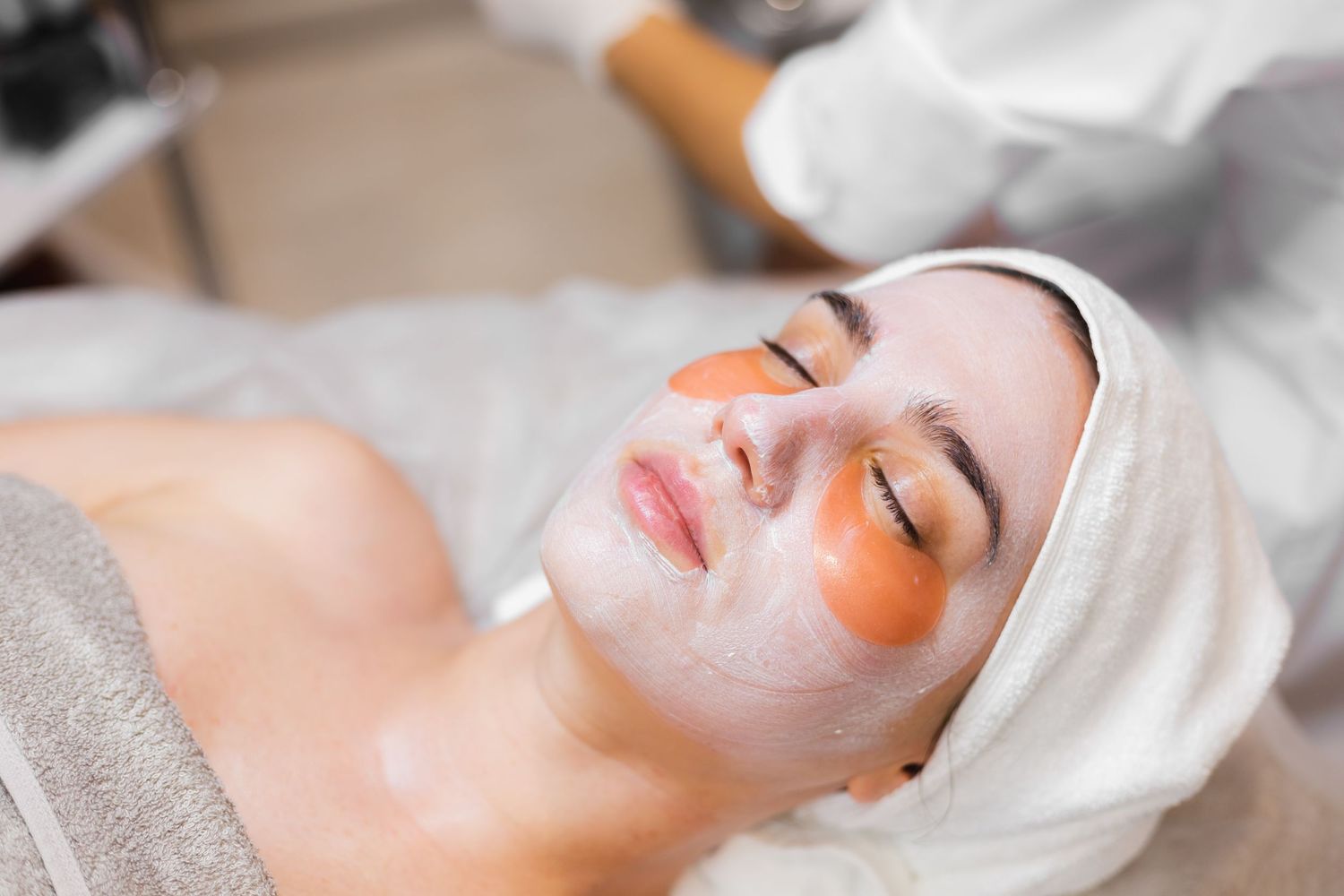
Brown spots can develop for several reasons, including sun exposure, aging, hormonal changes, and post-inflammatory pigmentation. These spots may appear on the face, forehead, cheeks, chest, or hands, making skin tone look uneven. If you are researching Brown Spots Treatment in New York, NY, understanding the available options can help you make an informed decision about your skincare.
Laser Photo Facial IPL is associated with IPL photofacial treatments, which use intense pulsed light to target certain forms of pigmentation and other visible skin concerns. Depending on the cause, color, and depth of the spots, light-based treatments may help improve the appearance of sun-related discoloration and support a more even-looking complexion.
However, not every brown spot responds to the same treatment. Melasma, sunspots, freckles, and pigmentation left after acne can have different underlying causes. A professional assessment is an important first step before choosing any cosmetic procedure.
For people in Manhattan and throughout NYC, learning how IPL works, understanding its limitations, and knowing how to care for skin afterward can make the treatment decision clearer. This guide explains what to consider when exploring pigmentation correction and non-invasive skin rejuvenation in New York.
What Causes Brown Spots on the Skin?
Brown spots develop when pigment, primarily melanin, accumulates in certain areas of the skin. Although many spots are harmless, their appearance and causes can vary.
Common contributors include:
- Sun exposure: Ultraviolet radiation can contribute to sunspots, also called solar lentigines, particularly on frequently exposed areas.
- Natural aging: Pigmentation changes can become more noticeable over time.
- Hormonal changes: Hormones may contribute to melasma, which often appears as larger, irregular patches of discoloration.
- Post-inflammatory pigmentation: Acne, irritation, and other skin inflammation can leave dark marks after the original concern has improved.
- Skin sensitivity and irritation: Certain products or procedures may trigger or worsen discoloration, especially in pigmentation-prone skin.
Identifying the likely cause matters because a treatment that helps one type of pigmentation may be unsuitable for another. A new, changing, irregular, or unusual dark spot should be evaluated by a qualified healthcare professional before cosmetic treatment.
How Brown Spots Treatment With IPL Works
Intense Pulsed Light Therapy uses controlled pulses of broad-spectrum light to target selected structures in the skin. For certain pigmentation concerns, the light is absorbed by pigment, producing a response that can gradually make targeted spots less noticeable.
Unlike traditional lasers, which typically use a specific wavelength or narrow range of wavelengths, IPL uses a broader range of light. The appropriate settings depend on the treatment area, skin tone, pigmentation pattern, and individual risk factors.
What Is an IPL Photofacial?
An IPL photofacial is a light-based cosmetic procedure commonly used to address selected signs of sun damage, uneven pigmentation, and visible redness. Depending on the device and treatment plan, it may also be considered for certain visible small blood vessels.
Potential goals of an IPL photofacial include:
- Reducing the appearance of selected sunspots and freckles.
- Improving the look of uneven pigmentation.
- Supporting a brighter, more uniform-looking complexion.
- Addressing some forms of visible redness.
- Improving the overall appearance of sun-damaged skin.
Results vary by person and condition. IPL does not remove every type of pigmentation, and it cannot prevent new spots from developing if the skin continues to receive significant sun exposure.
Is IPL a Laser Treatment?
Although people often search for laser skin treatments, IPL is technically a light-based treatment rather than a laser. The two technologies can address overlapping cosmetic concerns, but they differ in how light is delivered and how treatment is selected.
When comparing options for Brown Spots Treatment, ask which technology is being used, what type of pigmentation it is intended to address, and whether your skin is a suitable candidate.
Who May Benefit From Brown Spots Treatment in NYC?
IPL may be considered for people with certain superficial, sun-related pigmentation concerns. Suitability depends on the individual's skin characteristics and medical history rather than location or the appearance of a spot alone.
People With Sun-Related Discoloration
Sunspots can develop after repeated exposure to ultraviolet radiation. When a professional determines that these spots are appropriate for IPL, treatment may help reduce their visibility.
For Manhattan residents who spend time walking outdoors, commuting, or participating in outdoor activities, consistent sun protection remains important before and after treatment.
People Seeking a Skin Brightening Facial
A Skin Brightening Facial is a broad term that can refer to different cosmetic treatments. IPL photofacial procedures may be an option when the goal is to improve selected forms of uneven pigmentation rather than simply hydrate or exfoliate the skin.
The right approach depends on whether the discoloration comes from sun damage, melasma, acne marks, or another cause. A brighter-looking complexion should be pursued through a treatment plan suited to the individual's skin.
People Interested in Broken Capillaries Reduction
Certain IPL systems may also be used to reduce the appearance of selected superficial blood vessels and redness. However, the suitability of this approach depends on the type and location of the vessels, skin tone, and device capabilities.
Pigmentation and visible blood vessels are different concerns, so the treatment settings and expected outcomes may differ.
IPL for Fair Skin and Other Skin Tones
Searches for IPL For Fair Skin reflect an important consideration: skin tone affects the safety and suitability of light-based procedures.
IPL is often easier to use for certain pigmentation concerns in lighter skin because there may be less competing melanin in the surrounding skin. However, this does not mean every person with fair skin is a suitable candidate or that every treatment will produce the same results.
People with medium, olive, brown, or darker skin tones may have a higher risk of burns or unwanted pigmentation changes with some IPL devices and settings. Careful assessment by an appropriately qualified provider is essential. Depending on the individual's skin, another approach may be more suitable.
Before treatment, discuss:
- Your natural skin tone and any recent tanning.
- Previous reactions to cosmetic procedures.
- Current skincare products and medications.
- A history of melasma or post-inflammatory pigmentation.
- The likelihood of temporary redness, swelling, or pigment changes.
Avoid choosing a procedure based only on photographs or general claims about suitability. Individual assessment is particularly important when treating pigmentation-prone skin.
Brown Spots Treatment for Melasma and Hyperpigmentation
Not all dark marks are sunspots. Understanding the difference helps prevent ineffective treatment and unnecessary irritation.
Hyperpigmentation Treatment
Hyperpigmentation is a general term for areas of skin that appear darker than the surrounding skin. It may result from sun exposure, inflammation, hormonal changes, or other factors.
Treatment options may include sun protection, topical skincare ingredients, prescription treatments when appropriate, and selected cosmetic procedures. IPL may be suitable for some types of pigmentation, but the cause must be identified first.
Melasma Treatment
Melasma typically appears as irregular brown or gray-brown patches, often on the cheeks, forehead, upper lip, or other facial areas. Hormonal factors and ultraviolet and visible light exposure can contribute to this condition.
IPL is not automatically the best choice for melasma. In some people, light-based procedures can aggravate pigmentation or cause recurrence. Management often focuses on consistent sun protection and carefully selected topical treatments under professional guidance.
Anyone considering IPL for suspected melasma should discuss the potential risks and alternatives before proceeding.
Pigmentation Correction After Acne
Dark marks following acne or irritation may gradually fade, but the process can take time. Aggressive treatments may worsen inflammation and lead to additional discoloration.
A suitable approach may involve controlling the original cause, using sunscreen consistently, and selecting gentle topical products or professional treatments according to skin type and the depth of pigmentation.
What to Expect Before, During, and After IPL
Knowing what happens at each stage can help you prepare for a cosmetic treatment consultation.
Before Treatment
A provider should assess your skin, identify the concern being treated, review your medical history, and explain potential benefits and risks. Depending on the appearance of a spot, medical evaluation may be necessary before any cosmetic procedure.
You may be advised to avoid tanning and certain irritating skincare products. Follow the specific preparation instructions provided for your treatment rather than changing medications or skincare routines on your own.
During Treatment
The treatment area is prepared, and protective eyewear is used. A cooling method or gel may be applied depending on the device. Short pulses of light are then delivered to the selected areas.
People commonly describe the sensation as a brief snapping or warming feeling, although comfort varies. The duration depends on the size of the treatment area and the procedure being performed.
After Treatment
Temporary redness, warmth, mild swelling, or changes in the appearance of treated spots may occur. Some pigmentation can temporarily look darker before gradually fading. Recovery varies according to the device, settings, and individual skin response.
Follow all aftercare instructions and contact your provider if you experience unexpected or worsening symptoms. Seek prompt medical attention for severe pain, blistering, or other concerning reactions.
Daily broad-spectrum sunscreen, protective clothing, and avoiding intentional tanning help protect the skin and reduce the chance of additional sun-related discoloration.
How to Maintain Results and Support an Even Skin Tone
Brown Spots Treatment works best as part of a consistent skincare and sun-protection routine. Even after successful treatment, new pigmentation may develop.
Helpful habits include:
- Applying broad-spectrum SPF 30 or higher sunscreen daily.
- Reapplying sunscreen as directed, particularly during extended outdoor activities.
- Wearing hats and seeking shade when ultraviolet exposure is high.
- Using gentle skincare products that do not irritate the skin.
- Avoiding picking at acne or irritating inflamed areas.
- Following a professional treatment schedule rather than repeating procedures too frequently.
Ingredients such as vitamin C, azelaic acid, and retinoids may help with certain forms of uneven pigmentation, but their suitability varies. Some can cause irritation, so introduce products carefully and seek professional guidance if you have sensitive skin or are undergoing cosmetic treatment.
Choosing Brown Spots Treatment in Manhattan, NY
When comparing providers in Manhattan, look beyond promotional descriptions and focus on the suitability of the procedure for your particular concern.
Consider asking these questions during a consultation:
- What is the likely cause of my brown spots?
- Is IPL appropriate for my skin tone and pigmentation type?
- What benefits can reasonably be expected?
- What side effects or pigment changes should I understand?
- Are there alternative treatments that may be safer or more effective?
- What preparation, aftercare, and sun protection will I need?
Clear answers can help you make an informed decision and avoid treatments that are unlikely to address the underlying problem.
For people researching Laser Photo Facial IPL in New York, NY, understanding the technology and its limitations is an important part of choosing a suitable skincare option. A personalized assessment is more useful than assuming one procedure works for every type of brown spot.
Frequently Asked Questions
1. What is the best treatment for brown spots on the face?
The best option depends on the cause, depth, and appearance of the pigmentation. IPL may help selected sunspots and superficial discoloration, while melasma and post-acne marks may require different approaches. A professional assessment can help determine the safest option.
2. How many IPL sessions are needed for brown spots?
The number of sessions varies with the type and extent of pigmentation, the device used, and the individual's response. Some concerns may improve after an initial session, while others may require multiple treatments. No specific number of sessions or result can be guaranteed.
3. Is IPL photofacial treatment safe for all skin tones?
No. Some skin tones, particularly darker or recently tanned skin, may have a greater risk of burns and unwanted pigment changes with certain IPL devices. A qualified provider should assess skin tone, treatment history, and alternatives before recommending a procedure.
4. Can IPL treat melasma and sun damage?
IPL may help certain forms of sun-related pigmentation, but melasma is more complex and may worsen after light-based procedures. The cause of the discoloration should be assessed before treatment, especially when patches are symmetrical or recurrent.
5. How can I prevent brown spots from returning after treatment?
Daily broad-spectrum sunscreen with SPF 30 or higher, protective clothing, shade, and a consistent skincare routine can help reduce further sun-related pigmentation. Follow-up care may also be recommended based on the underlying condition and your treatment plan.
Explore Brown Spots Treatment at Laser Photo Facial IPL
If you are researching options for Brown Spots Treatment in New York, NY, start by understanding what is causing your pigmentation and which approaches may suit your skin. IPL photofacial treatment may be worth discussing for selected sun-related spots, but an individualized assessment is important for setting realistic expectations and reducing risks.
Laser Photo Facial IPL
Address: 109 W 38th St, floor 12, suite 20, New York, NY 10018
Phone: 929-224-5146
Website: https://www.selfiehousenyc.com/